 Medically reviewed by Dr. Ludger Hanneken
Medical Director · Smart Dry Eyes
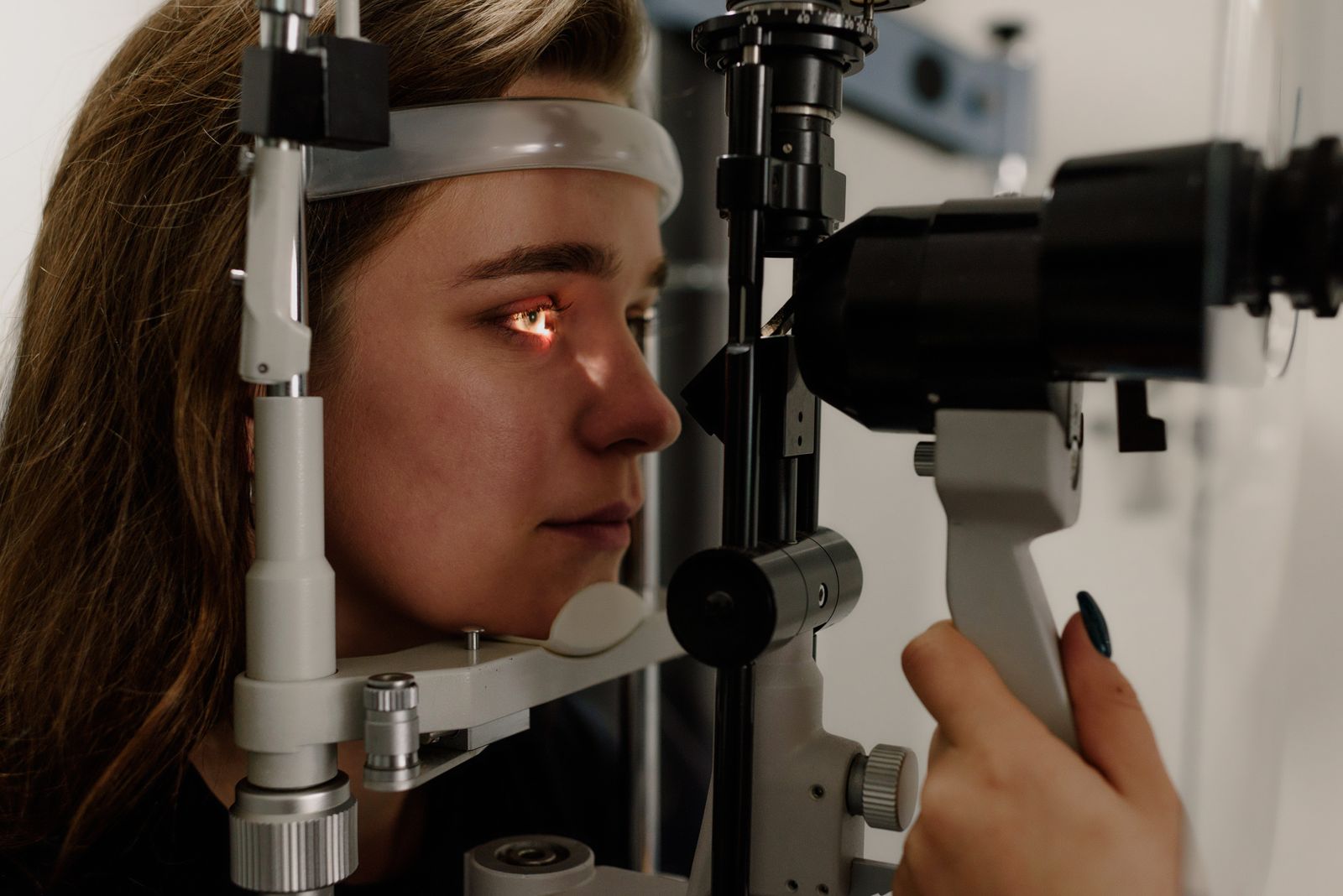
If your eyes feel gritty, tired, or strangely watery by the end of the day, you are far from alone. Dry eye is one of the most common reasons people come to our clinics, and the good news is that the most effective first steps happen at home. Here is what genuinely helps, and what to skip.
Warm compresses and gentle lid hygiene
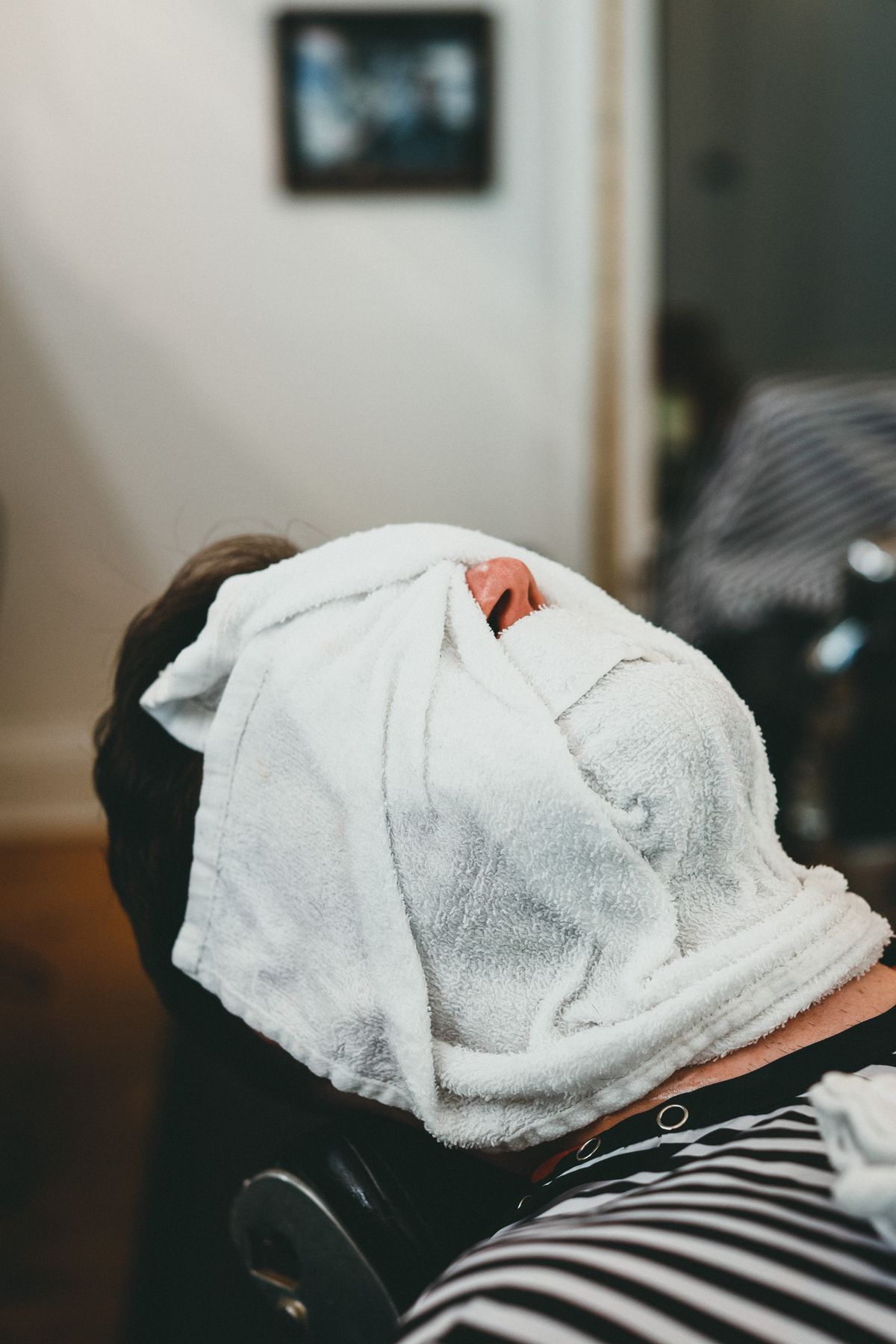
A warm compress is one of the simplest and most useful steps, especially if your tears evaporate too quickly. The meibomian glands (the tiny glands along the lash line) produce the oily layer that stops your tears drying out, and gentle warmth softens that oil so it flows instead of clogging.
- Use a clean cloth or a reusable eye mask that is comfortably warm, never hot enough to sting.
- Rest it on closed eyes for several minutes (around five to ten), reheating it if it cools.
- Afterwards, gently wipe along the lash line with a clean, damp cloth or a mild lid cleanser to keep the gland openings clear.
Do this on most days, not only when symptoms flare.
Blink more and follow the 20-20-20 rule
Screens are hard on your tear film (the thin, protective layer of moisture over the eye) for one simple reason: we blink far less when concentrating, and each blink spreads a fresh layer of tears.
- Follow the 20-20-20 rule: every 20 minutes, look at something about 6 metres (20 feet) away for 20 seconds.
- Add a few slow, complete blinks each time, fully closing the lids.
- Lower your screen a little so your eyes are not held wide open.
These tiny pauses give your tear film a chance to recover.
Adjust your environment and daily habits
Dry eye is often driven by your surroundings and everyday routine, so small changes add up.
- Run a humidifier in dry, heated, or air-conditioned rooms to keep moisture in the air.
- Avoid pointing fans, heaters, car vents, or air conditioning straight at your face, as this speeds up tear evaporation.
- Stay well hydrated through the day; your tears need water just like the rest of you.
- Eat omega-3-rich foods such as oily fish, walnuts, and flaxseed, which support the oily layer of your tears.
- Protect your sleep, because tired, under-rested eyes recover and lubricate far less well.
None of these is dramatic alone, but together they take real strain off your eyes.
What won’t help, and when home care isn’t enough
A few popular remedies do little or can even cause harm, so it helps to know what to skip:
- Rinsing with tap water does not replace your tears; it washes away the natural protective layer and is not sterile.
- Cucumber slices feel pleasant and cooling, but they do nothing for the dryness underneath.
- ‘Miracle’ drops that promise an instant cure are best treated with caution; many contain preservatives or redness relievers that irritate dry eyes over time.
Home care is genuinely effective for mild dry eye and supports any professional treatment. But if your symptoms last for weeks, get worse, or bring pain, light sensitivity, or blurred vision, it is time to have your eyes properly assessed rather than keep experimenting.
How Smart Dry Eyes can help
Think of home care as an excellent starting point. When it is not enough, the goal is to find out why your eyes are dry, not simply chase the symptoms. At Smart Dry Eyes in Berlin and Zürich, we look closely at your tear film, meibomian glands, and lid health to pinpoint the cause, then build a plan that combines the right in-clinic treatment with a home routine that suits your life. If dryness is holding you back, you do not have to manage it alone.
Frequently Asked Questions
How often should I do warm compresses for dry eye?
For most people, once a day is a good routine, ideally for around five to ten minutes each time. If your glands are quite blocked, your specialist may suggest twice a day at first, then less often as things improve. Consistency matters more than heat, so gentle and regular beats hot and occasional.
Do home remedies actually work for dry eye?
For mild to moderate dry eye, yes, they can make a real difference, especially warm compresses, better blink habits, and adjusting your environment. They work best as an ongoing routine rather than a one-off fix. They support professional care rather than replace it when the underlying cause is more stubborn.
When should I stop self-treating and see a specialist?
If your symptoms last more than a few weeks despite good home care, keep getting worse, or come with pain, light sensitivity, or changes in your vision, it is time for a proper assessment. Persistent dryness usually has an identifiable cause that is worth treating directly. Seeing a specialist early often makes treatment simpler and more effective.
Find the cause of your dry eyes
Take the validated dry eye test or book a consultation – we will find out what is really behind your symptoms.
Prefer to be seen in person? Find your nearest Smart Dry Eyes clinic in Germany, Switzerland, Andorra, Mexico or the Philippines.
Note: This article is for general information and does not replace a medical diagnosis or treatment. If symptoms persist or are severe, please consult an eye doctor.