 Medically reviewed by Dr. Ludger Hanneken
Medical Director · Smart Dry Eyes
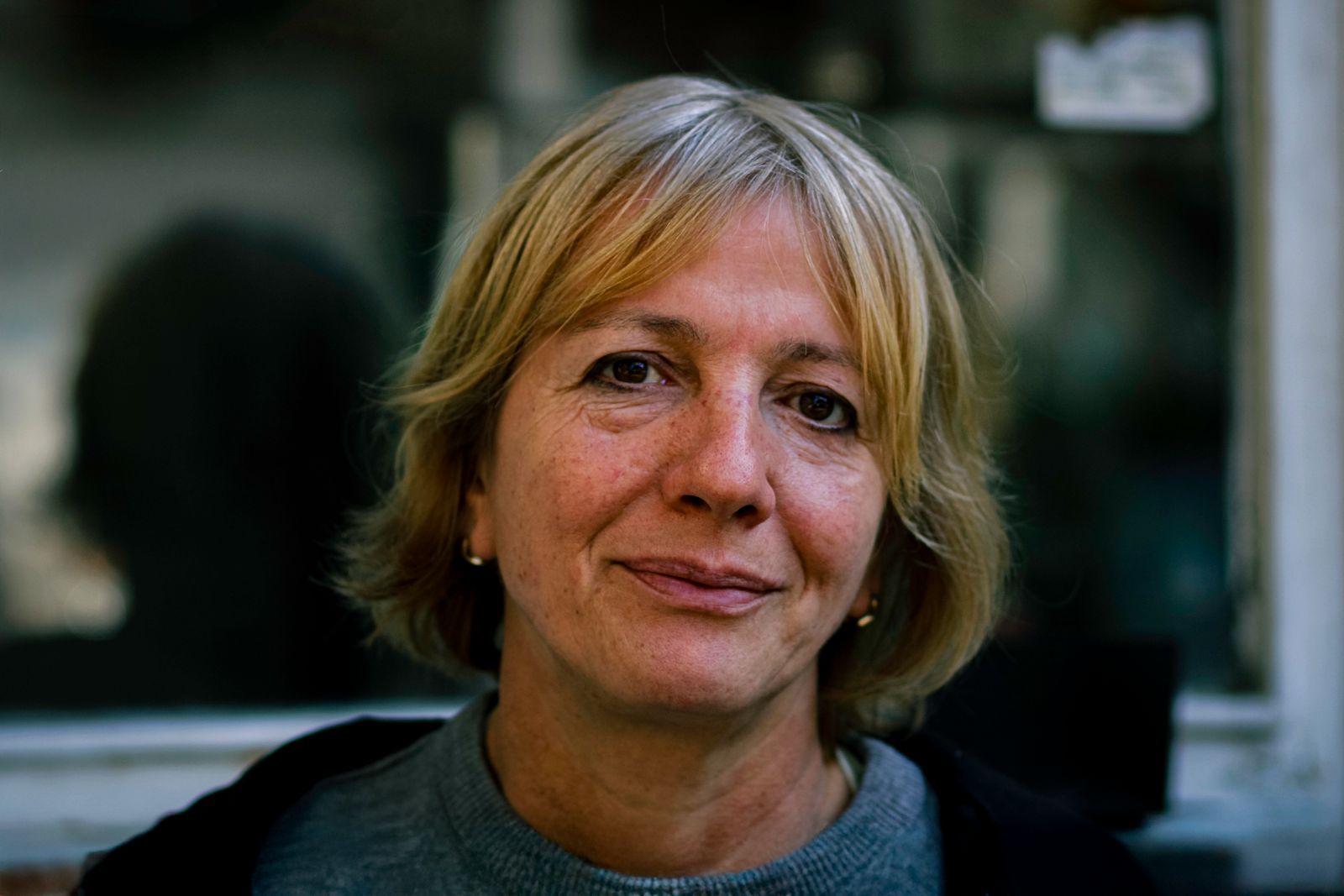
Many women notice dry, burning or irritated eyes for the first time during menopause – often without suspecting the link to hormonal changes. In fact, hormones play an important role in the health of the ocular surface. In this article we explain the connection.
The hormone link
Dry eye is far more common in women than in men, and hormones are a big part of why. The meibomian glands and the tear-producing glands both rely on sex hormones, particularly androgens, to keep working well. So when those hormone levels shift, the glands can falter and the eyes start to dry out. It’s a connection many women are never told about.
The reason lies in the type of gland. The meibomian glands are sebaceous glands – the same family as the oil glands in your skin – and their cells carry androgen receptors. Androgens act on them directly: they switch on the machinery that produces the oil of the tear film, and they keep the gland’s normal cycle of renewal going. It is not that these glands are merely influenced by hormones: they are tissue governed by them.
When that androgen signal weakens, two things happen at once. The glands make less oil, and the oil itself changes “composition”: it becomes richer in saturated fats with a higher melting point, so instead of flowing freely at eyelid temperature it turns thick and waxy. Thick oil no longer leaves the gland properly. It stagnates, the duct narrows, and over time the gland widens and shrinks away – that loss and distortion of the glands is what we see on meibography. And with less oil protecting it, the tear film evaporates faster. That is precisely evaporative dry eye.
Menopause is a turning point
Menopause is therefore one of the most common moments for dry eye to appear or get worse. Many women put the new grittiness or burning down to age or tiredness, without realising it belongs to the same hormonal shift behind hot flushes and changes in the skin.
One nuance is worth adding: androgens have in fact been declining gradually since a woman’s mid-thirties. Menopause adds the ovarian change and raises the blood protein that binds sex hormones, which lowers the fraction actually available to the glands still further.
How menopausal dry eye feels
Hormonal dry eye usually shows the classic evaporative pattern:
- Persistent dryness, grittiness or a sandy feeling.
- Burning that builds through the day.
- Watery eyes at times – a reflex to the dryness.
- More sensitivity to screens, wind and air conditioning.
Not just menopause
Menopause is the most talked-about trigger, but hormones affect the eyes at other times too. Some women notice their eyes feel drier at particular points in their cycle, during pregnancy, or while taking certain hormonal medications. The mechanism is the same: a change in hormone levels alters how well the glands work, and that is why the dryness can seem to come and go.
Everyday steps that help
Alongside any medical treatment, a few daily habits are helpful in achieving a more stable tear film:
- Warm compresses and gentle lid care for the meibomian glands.
- Preservative-free drops for relief.
- Screen breaks, full blinks and good hydration.
- Keeping direct air off your eyes.
- Some women also find a diet richer in omega-3 helpful.
How Smart Dry Eyes helps
Hormonal dry eye is usually the evaporative type, so it responds particularly well to treatments that restore and protect the oil layer – not just more watery drops. We measure your tear film and image the meibomian glands to see exactly what’s happening, then treat the underlying problem. That is how we help you regain comfortable, lasting eye comfort during menopause and beyond.
Frequently Asked Questions
Does hormone therapy help with dry eyes?
The evidence is mixed; hormone therapy does not reliably improve dry eye. Oestrogen in fact tends to act in the opposite direction on sebaceous glands, while androgen is the hormone that supports them. The eye symptoms can, however, be treated well independently.
Do the symptoms go away after menopause?
Not necessarily. Dry eye can persist, but it is treatable at any age.
Find the cause of your dry eyes
Take the validated dry eye test or book a consultation – we will find out what is really behind your symptoms.
Note: This article is for general information and does not replace a medical diagnosis or treatment. If symptoms persist or are severe, please consult an eye doctor.