Treatment
Low-Level Light Therapy for Dry Eyes
Complementary photobiomodulation for inflammatory changes of the lid margin and meibomian glands
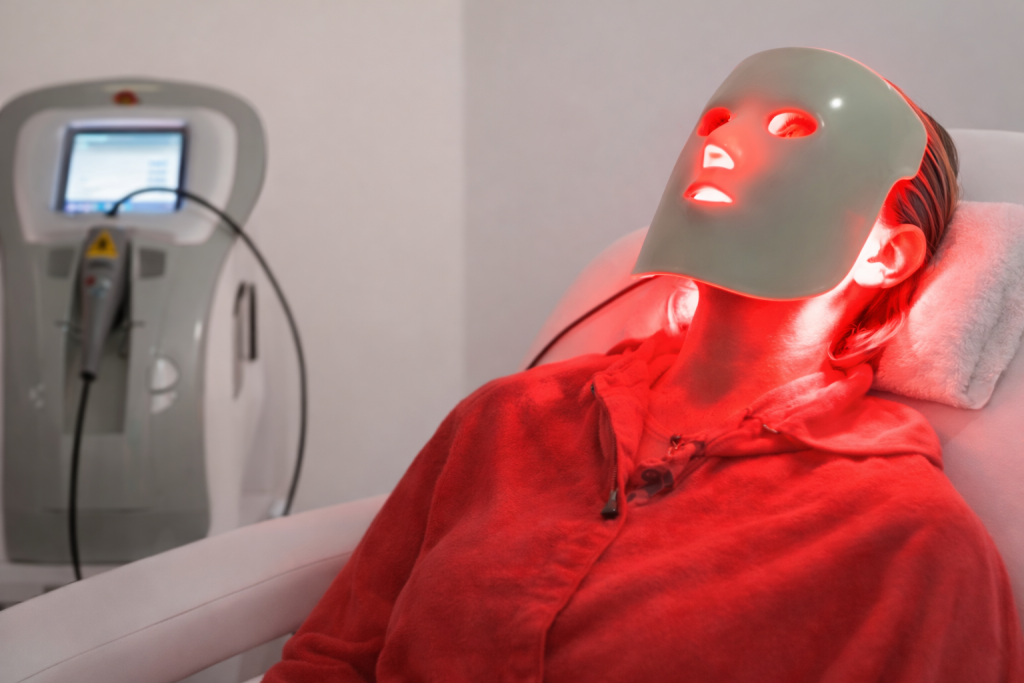
In low-level light therapy, the closed eyelids are treated for 10–15 minutes with low-dose red light at a wavelength of 630–640 nm. The focus is not on intense warming but on the biological response of cells and tissue to defined wavelengths of light. This light penetrates the upper skin layers of the eyelids, stimulates the mitochondria (cytochrome c oxidase) to produce ATP, has a strong anti-inflammatory effect and stimulates the body’s own tissue repair.
- Treatment time
- About 10 to 17 minutes, depending on the system
- Treatment course
- Depends on the device and the findings
- Sensation
- Painless; usually slight warmth
- Downtime
- Usually none
What low-level light therapy treats
Low-level light therapy can be used as a complementary treatment for selected inflammatory changes of the eyelids and the meibomian glands. These include blepharitis, irritated lid margins and recurrent functional disorders of the meibomian glands. The treatment of styes has also shown positive results.
Depending on the device system, slightly different wavelengths and protocols are used. The therapy is frequently combined with other procedures, because it neither mechanically resolves a pronounced gland obstruction nor reliably empties thickened meibum.
Where there is a clear blockage, controlled warming and, where appropriate, expression remain decisive. Light therapy complements these measures but does not replace them.
How low-level light therapy works
- 01Red and near-infrared light
- 02Absorption by components of the mitochondrial respiratory chain
- 03Photobiomodulation
- 04Signalling pathways, energy metabolism and inflammatory reactions can be influenced
- 05Aim: support for inflammation-regulating processes and cell function
Red and near-infrared light can be absorbed by components of the mitochondrial respiratory chain. This process, known as photobiomodulation, can influence cellular signalling pathways, energy metabolism and inflammatory reactions.
The exact clinical effect depends on wavelength, energy dose, irradiation time and tissue. For treatment at the eyelid, the aim is to support inflammation-regulating processes and cell function. Individual results can vary.
Blue light has antimicrobial properties and is used in some systems for blepharitis or Demodex-associated findings. Which colour of light and which protocol are appropriate must be decided on the basis of the device used and the clinical findings.
Low-level light therapy is not a classic heat treatment of the meibomian glands. A slight warming of the skin may be noticed, but the treatment should not be equated with procedures that liquefy thickened meibum thermally in a targeted way.
What a session involves
Before
Before the treatment, possible contraindications, photosensitising medications and the current eye and skin findings are checked. Depending on the system, the eyes are kept closed and, where appropriate, additional protective measures are used.
During
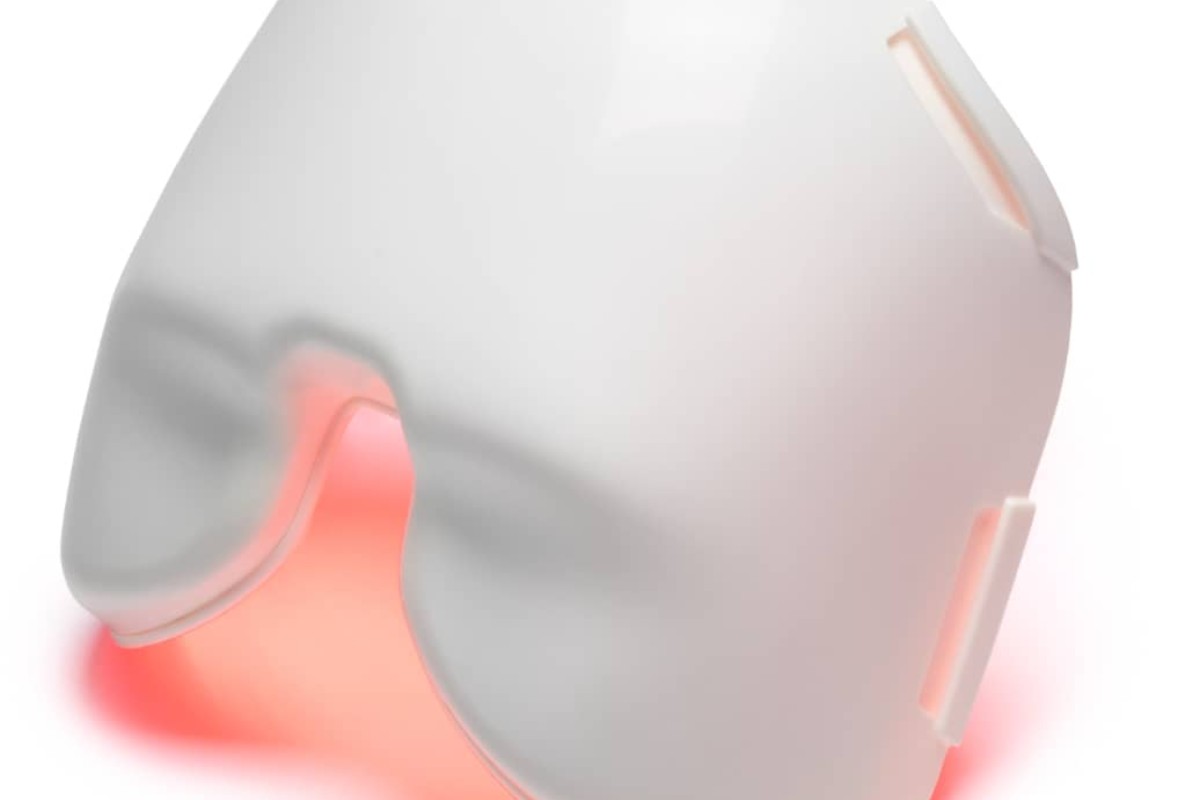
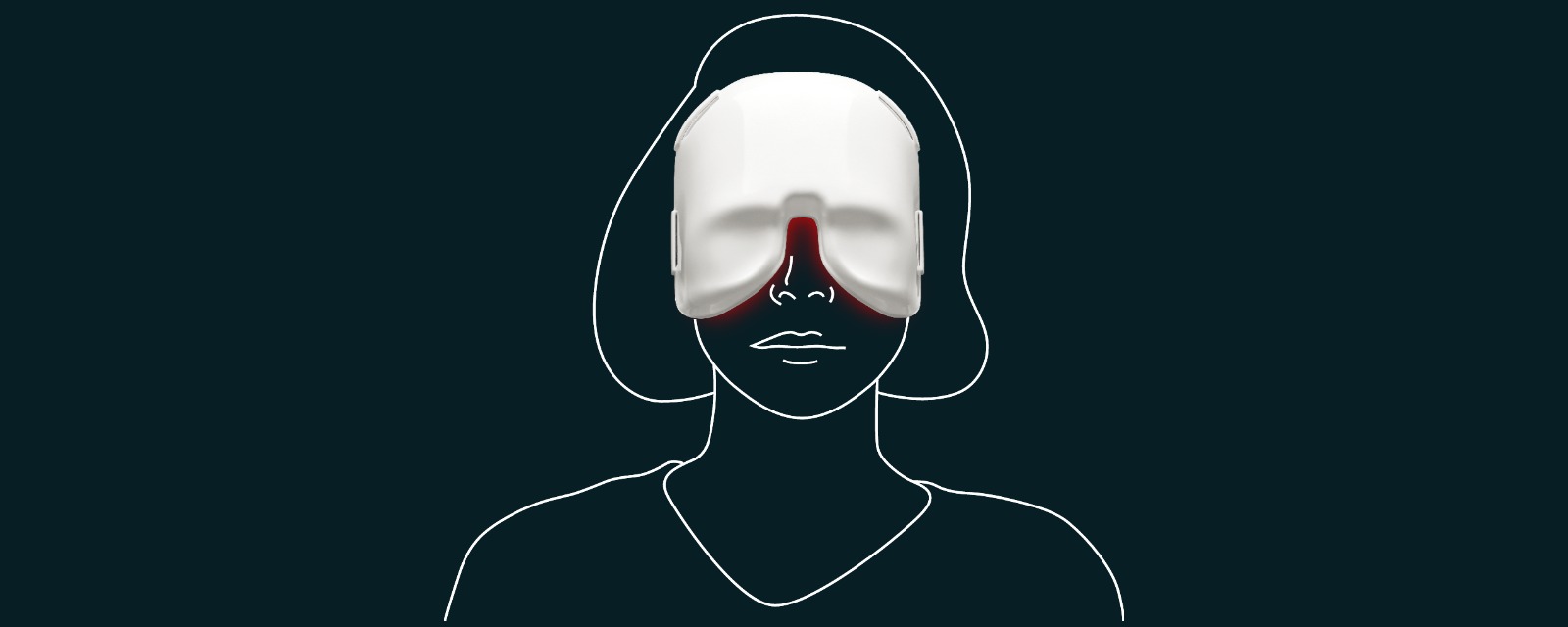
A mask or a light panel is positioned for the intended treatment time. The procedure is painless and is usually perceived as pleasant. Anaesthesia or a contact gel is not normally required.
After
After the session, usual activities can generally be resumed immediately. No restrictions on driving or screen work are to be expected, provided no additional medications or treatments were used.
The course
The protocols differ markedly from device to device. The number and spacing of sessions should therefore not be set across the board, but on the basis of the application specifications and the individual findings.
Who light therapy is suitable for
Possible areas of use
- Inflamed lid margins
- Blepharitis
- Demodex-associated changes
- Complementary treatment for meibomian gland dysfunction with an inflammatory character, including, for example, a stye
Contraindications and limits
- Suitability depends not on skin type alone, but also on wavelength, device, medications and concomitant conditions.
- Particular caution is required with photosensitising medications, a history of light-induced seizures, active tumour disease in the treatment area and further device-specific contraindications.
- During pregnancy and breastfeeding, it should be used only after a separate benefit–risk assessment.
- In a purely mechanical gland obstruction, light therapy alone is not sufficient.
Costs
Europe
Low-level light therapy, full course
from €200
Follow-up visit
from €150
The actual costs depend on the number of sessions, the centre and any combination therapies. In Germany, this is generally a private medical service. Whether costs are covered depends on the individual insurance contract and the individual case.
Frequently asked questions
Do the eyes have to stay closed?
Yes. The treatment is directed at the eyelids, not at the ocular surface. Which additional protective measures are required is determined by the respective device system.
Why is light therapy often combined?
It primarily addresses inflammatory and cellular processes. Hardened secretion and closed excretory ducts, by contrast, usually require heat, mechanical cleansing or expression. Where indicated, the procedures can complement one another.
Do you feel warmth during the treatment?
A slight warming of the skin can be felt. It is not, however, to be equated with the targeted thermal treatment of thickened meibum.
When can an effect be expected?
The response is individual and is assessed over the course of the entire treatment cycle. A specific outcome cannot be guaranteed for the individual patient.
Which treatment do your eyes need?
Not all dry eye is the same. Biofilm, inflamed lid margins, thickened meibum, ocular rosacea and reduced tear production call for different therapeutic approaches. Smart Dry Eyes records the relevant findings systematically. The medical assessment decides which treatment or combination is appropriate for you.
Other dry eye treatments
Medically reviewed by Dr. Ludger Hanneken, MD, PhD · Medical Director, Smart Dry Eyes