 Medically reviewed by Dr. Ludger Hanneken
Medical Director · Smart Dry Eyes
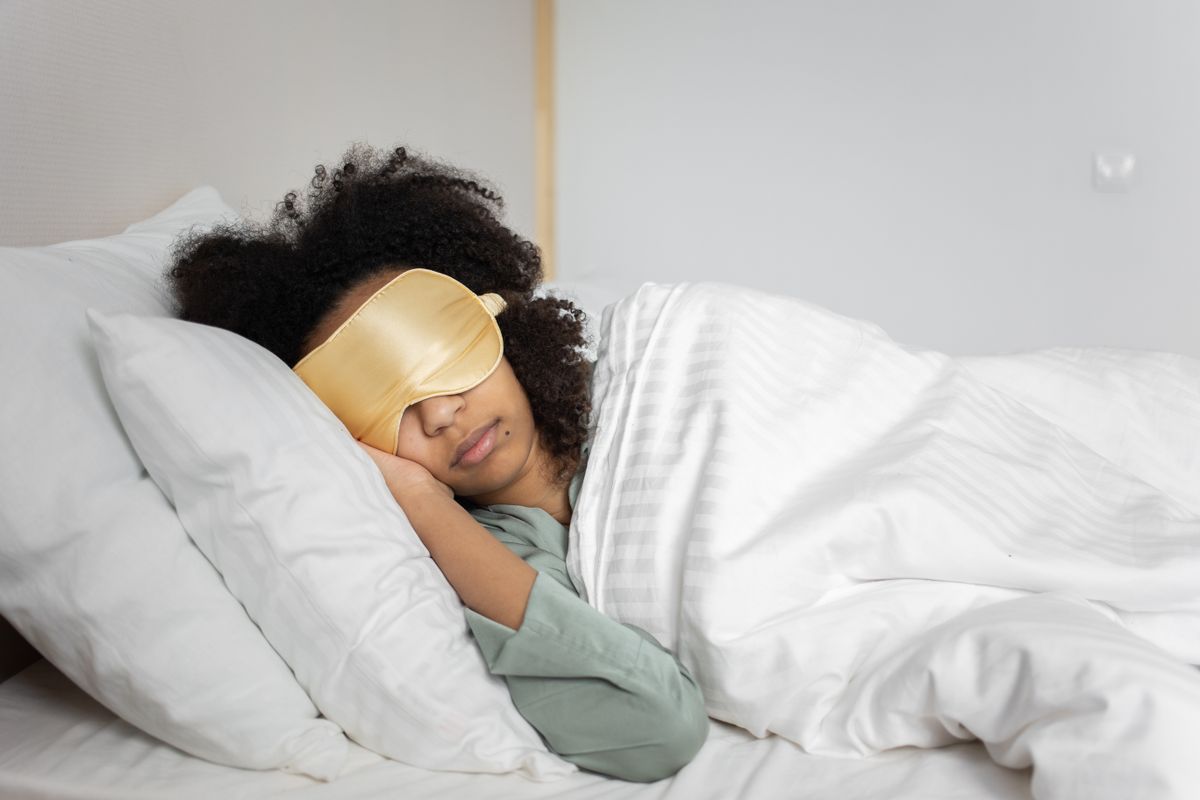
Some eyes feel worst in the morning – not the evening. Here’s why the cause lies in the night, and what helps overnight.
Why some eyes are worst first thing
Most dry eye builds through the day. But for some people it’s the opposite – the eyes feel their driest, grittiest and most stuck-together on waking, then ease off through the morning. That reversed pattern has its own set of causes, all to do with what happens to the eyes overnight.
What happens to your eyes while you sleep
Sleep changes how the eye protects itself:
- Tear production naturally slows right down overnight, so there’s little fresh lubrication.
- You don’t blink, so the tear film isn’t being refreshed.
- In some people the eyelids don’t close completely – a common, often unnoticed problem called nocturnal lagophthalmos – leaving a strip of surface exposed and drying all night.
- Dry bedroom air, heating or a fan can make it worse.
The tell-tale signs
A few clues point to overnight dryness rather than daytime dry eye:
- Eyes that feel worst on waking and improve as the morning goes on.
- A gritty, stuck-together or sore feeling first thing.
- Sometimes the eyelids sticking to the surface on opening.
- Occasionally, redness that’s worst in the morning.
What helps overnight
Because the drying happens while you sleep, the most effective measures work overnight:
- A lubricating gel or ointment at bedtime – thicker than daytime drops, to last the night.
- Checking whether your eyelids close fully; if not, a sleep mask or moisture-chamber goggles can protect the surface.
- Keeping bedroom air from getting too dry, and keeping fans and vents off your face.
- Continuing daytime lid care and lubrication as usual.
When it’s worth looking closer
Persistent morning dryness is worth investigating, partly because incomplete lid closure and blocked meibomian glands are common and treatable causes – and partly because it’s easy to protect the surface overnight once you know what’s happening. It’s one of those problems that responds very well to the right, simple measures.
How Smart Dry Eyes helps
We check how well your eyelids close, measure your tear film, and look at the meibomian glands, so we can tell why your eyes are driest in the morning. From there we set up overnight protection and treat any underlying gland problem – so you wake up comfortable instead of sore.
Frequently asked questions
Why are my eyes so dry when I wake up?
Overnight, tear production slows, you don’t blink, and in some people the lids don’t fully close – leaving the surface exposed and dry by morning.
What is nocturnal lagophthalmos?
It’s when the eyelids don’t close completely during sleep, leaving part of the eye exposed. It’s common, often unnoticed, and very treatable.
What’s the best thing to use at night?
A lubricating gel or ointment at bedtime lasts longer than daytime drops. If the lids don’t close fully, overnight eye protection helps too.
Find the cause of your dry eyes
Take the validated dry eye test or book an assessment: we’ll find out what’s really behind your symptoms.
Prefer to be seen in person? Find your nearest Smart Dry Eyes clinic in Germany, Switzerland, Andorra, Mexico or the Philippines.
Note: This article is for general information and does not replace a medical diagnosis or treatment. If your symptoms persist or are severe, consult an eye doctor.