 Medically reviewed by Dr. Ludger Hanneken
Medical Director · Smart Dry Eyes
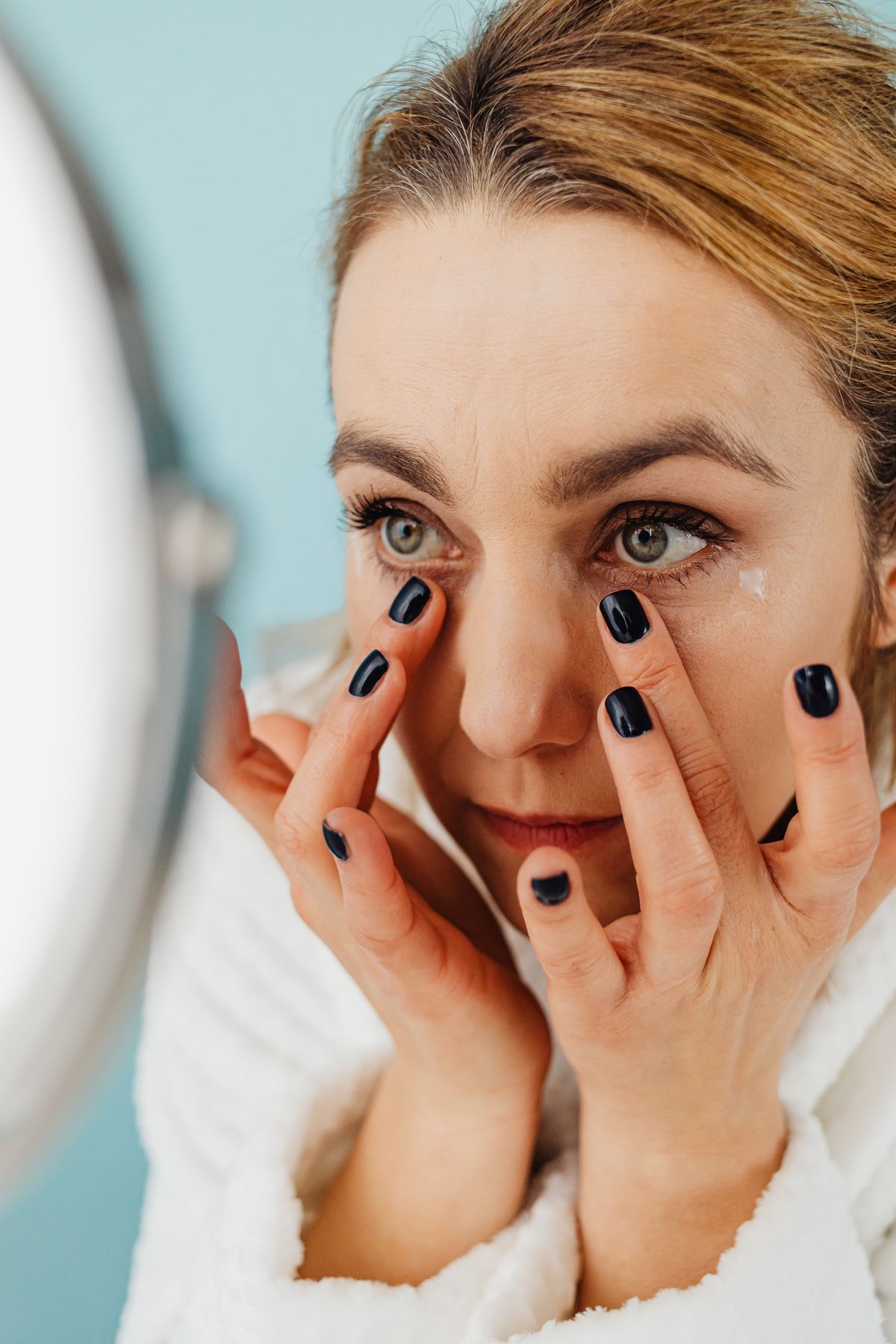
Dozens of eye drops, all promising relief – which one is right for you? Here’s a simple guide to choosing the right drops.
Why the eye-drop aisle is so confusing
Stand in front of the eye-drop shelf and you’ll find dozens of options, all promising relief. No wonder it’s confusing – and no wonder so many people simply grab one, find it doesn’t help much, and move on to the next. The truth is that not all drops are the same, and the right choice depends on what kind of dry eye you have.
Match the drop to the problem
The most important idea is that drops should match the failing layer of your tear film:
- Watery (aqueous) drops mainly add moisture – useful when tear volume is low.
- Lipid (oil-containing) drops help replace the oily layer – better for evaporative dry eye and MGD, which is the most common type.
- Gels and night-time ointments are thicker and last longer – ideal for overnight or severe dryness, though they blur vision briefly.
Because evaporative dry eye is so common, many people do better with a lipid-based drop than the plain watery ones they reach for first.
The single most important label: “preservative-free”
If you take one thing from this article, make it this. Preservatives keep multi-use bottles sterile, but with frequent use they irritate the very surface you’re trying to soothe. As a rule of thumb, if you’re using drops more than four to six times a day, choose preservative-free – usually sold in single-dose vials or special valve bottles.
What to avoid
A couple of common mistakes are worth sidestepping:
- “Redness-relief” drops that whiten the eye – these don’t treat dryness and can make things worse with regular use.
- Heavily preserved drops used many times a day.
- Sticking with a drop that clearly isn’t helping, rather than trying a different type.
When drops aren’t the answer at all
Even the perfect drop is only ever a top-up. If you’re relying on them constantly and still uncomfortable, that’s a sign the underlying cause – usually the meibomian glands – needs treating directly. Drops support a tear film; they can’t rebuild one.
How Smart Dry Eyes helps
We identify which layer of your tear film is failing, so we can point you to the type of drop that actually fits – and, just as importantly, tell you when drops alone won’t be enough. The aim is fewer, better-chosen drops on top of treating the real cause, not an endless shelf of half-working bottles.
Frequently asked questions
Which eye drops are best for dry eye?
There’s no single best – it depends on your type. Lipid-based drops suit evaporative dry eye (the most common), while watery drops suit low tear volume. Preservative-free is best for frequent use.
What does “preservative-free” mean and why does it matter?
It means no preservative chemicals that can irritate the surface with frequent use. If you dose more than a few times a day, preservative-free is gentler.
Should I use redness-relief drops for dry eye?
No. Drops that whiten the eye don’t treat dryness and can worsen it with regular use. Choose lubricating drops instead.
Find the cause of your dry eyes
Take the validated dry eye test or book an assessment: we’ll find out what’s really behind your symptoms.
Prefer to be seen in person? Find your nearest Smart Dry Eyes clinic in Germany, Switzerland, Andorra, Mexico or the Philippines.
Note: This article is for general information and does not replace a medical diagnosis or treatment. If your symptoms persist or are severe, consult an eye doctor.