 Medically reviewed by Dr. Ludger Hanneken
Medical Director · Smart Dry Eyes
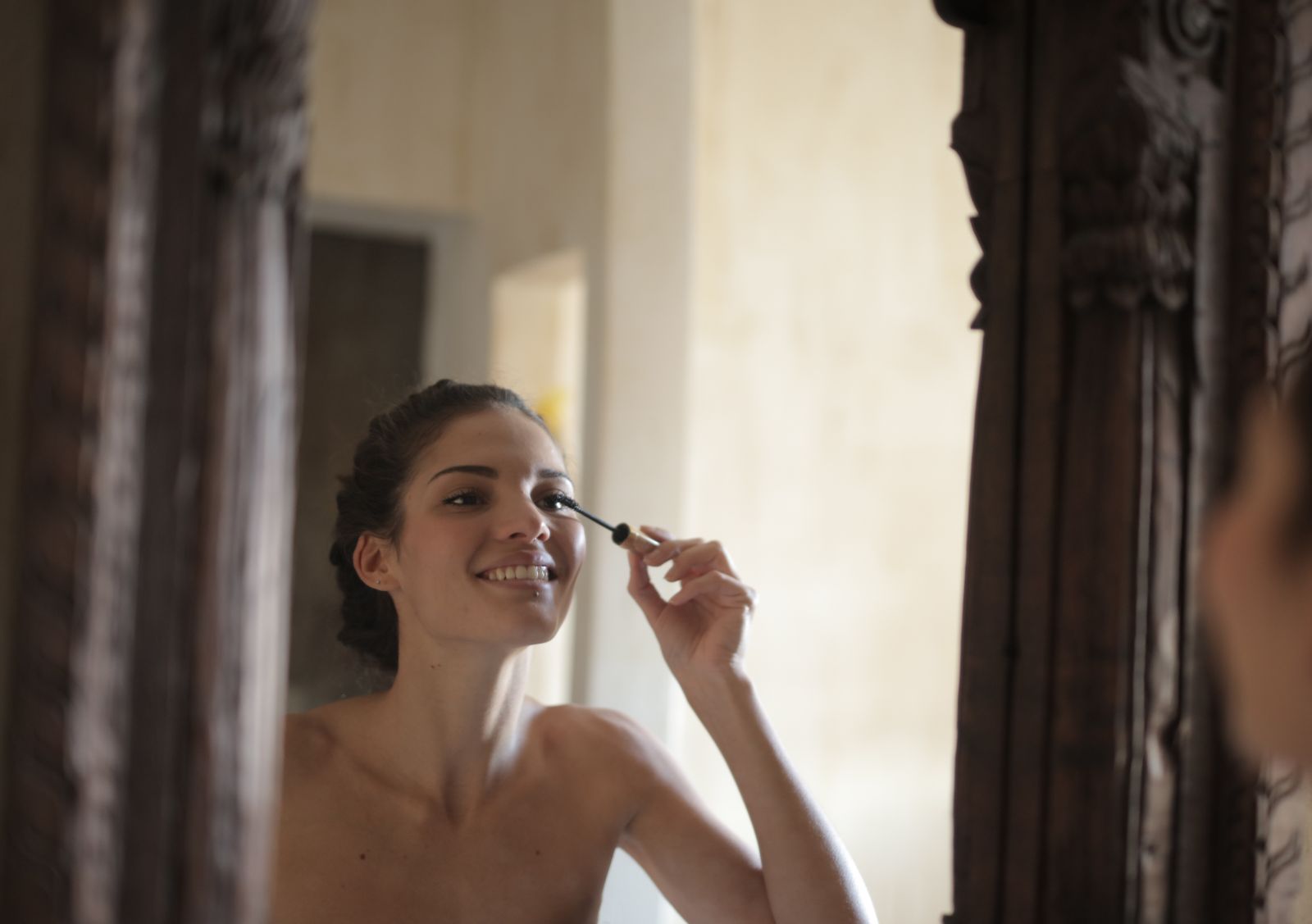
Eye makeup can play a decisive role for sensitive eyes and irritated eyelid margins. We explain what is known about eyeliner, lash extensions and lash serums, and how you can adapt your makeup routine.
Eye makeup as an underestimated cause of dry eye
Eye makeup is applied exactly where the Meibomian glands release their secretion into the tear film to protect it from evaporating too early: at the eyelid margin and the lashes. The international Tear Film & Ocular Surface Society (TFOS) therefore devoted a separate report in 2023 to the effects of cosmetics on the ocular surface. If your eyes feel drier or more irritated than they used to, it is worth taking a look at your makeup routine.
Eyeliner on the waterline: where the Meibomian glands open
Each upper and lower eyelid contains dozens of fine Meibomian glands that produce an oily secretion. This oil spreads as a thin layer over the tear film and slows its evaporation. The gland openings are not in the eyelid skin but on the lid margin itself, on the moist strip directly behind the lashes. In makeup, this strip is called the waterline, and this is exactly where many people draw their eyeliner on the inside to accentuate their eyes.
Products on the waterline can get into the tear film more easily and irritate the ocular surface. A very small pilot study observed more eyeliner in the tear film when it was applied inside rather than outside the lash line. Whether this can block Meibomian glands is not sufficiently proven, but it is nevertheless likely. If your eyes are sensitive, it is worth leaving the lid margin free.
Mascara, glitter and waterproof makeup
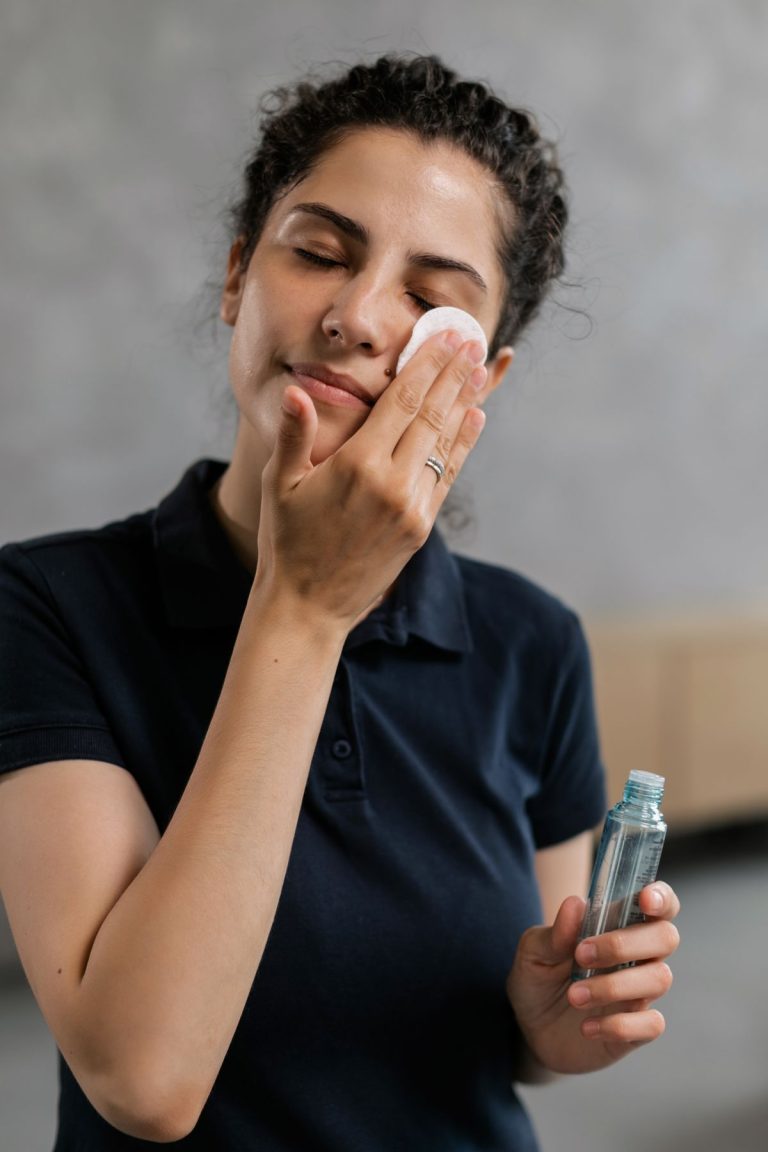
Mascara and other cosmetics can leave residues at the lid margin. Products that have been open for a long time or are shared can also be contaminated. Glitter particles and vigorous rubbing when removing waterproof products can irritate sensitive eyes further. So remove makeup as gently and regularly as possible, and also check how long your products keep.
Lash extensions and dry eye: glue, hygiene and mites
Adhesives for lash extensions can irritate the eyes and eyelids; allergic reactions are not uncommon either. How well the lash base can be cleaned depends on the application and on aftercare.
What a new study on lash extensions and mites shows
At the ESCRS congress in September 2026, observational data on young women with lash extensions were presented. Some of the wearers examined had symptoms, signs of Meibomian gland dysfunction and Demodex mites on their lashes. It is suspected that the extensions may well have caused these changes.
A cross-sectional study of women with and without lash extensions also found abnormalities of the tear film more often in wearers. Comparisons like this show an association but cannot rule out other influencing factors.
Demodex mites also occur in people without symptoms. An infestation can be accompanied by typical deposits at the lash base, known as collarettes. Extensions can make it harder to examine and clean the lash base. If symptoms persist, the eyelids should be examined; the right care and any treatment depend on the findings.
Lash serum and lash lifting: active ingredients close to the eye
Some lash serums contain prostaglandin analogues. This group of substances can have side effects on the eye and around the eyelids. If you have symptoms, it is worth checking the ingredients and seeking advice from an eye doctor. The chemicals used in lash lifting can also irritate the eyes and eyelids if they come into contact with them.
Eye makeup with dry eye: how to keep it eye-friendly
You do not have to give up makeup. These habits protect the eyelid margins:
- Apply eyeliner outside the lash line instead of on the waterline.
- Remove eye makeup gently every evening and never sleep in it.
- Replace mascara about every three months and do not share products.
- Choose mild, fragrance-free removers and save waterproof products for special occasions.
- With lash extensions, clean the lash base daily with a suitable eyelid cleanser.
- Keep up warm compresses and lid hygiene.
How Smart Dry Eyes helps with irritated eyelid margins
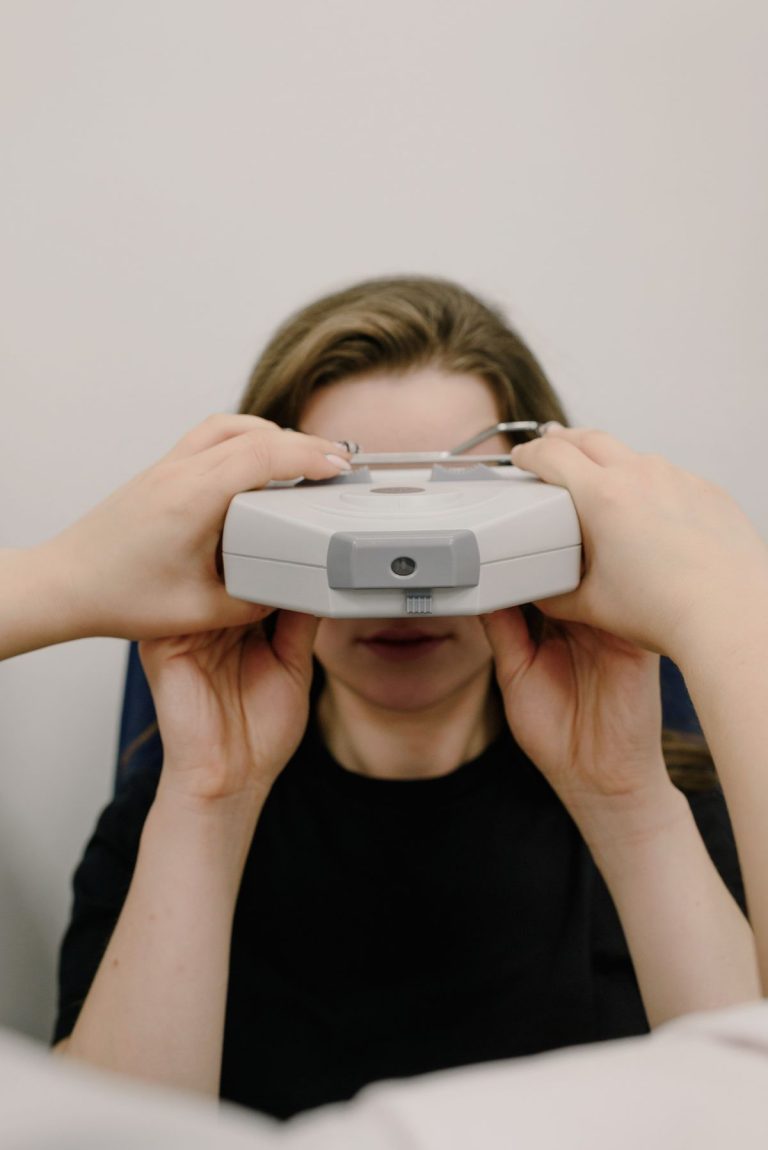
For irritated eyes, we examine the eyelid margins, the lash base and the Meibomian glands. Depending on the location and the findings, meibography may be useful. We discuss whether cosmetics, eyelid inflammation or another cause is contributing to your symptoms, and which care and treatment are right for you.
Frequently asked questions about eye makeup and dry eye
Can lash extensions cause mites?
No, lash extensions do not necessarily bring Demodex mites with them. However, observational data show an association between extensions and abnormalities at the lash base; whether extensions encourage the mites to multiply has not yet been clarified, but it is quite possible. Clean the lash base according to the aftercare instructions and have persistent symptoms examined.
Is eyeliner on the waterline harmful?
Not for every eye. But it sits directly on the openings of the Meibomian glands and from there gets into the tear film more quickly. If your eyes are dry or sensitive, or if you wear contact lenses, it is better to apply it outside the lash line.
What should I look out for in a lash serum?
Look for prostaglandin analogues in the ingredient list, usually recognisable by the syllable “prost”. If you have dry eyes, it makes sense to discuss using one with an eye doctor beforehand.
Find the cause of your dry eyes
A questionnaire can give you first clues. A diagnosis and a treatment plan require an examination.
You can find information on examination locations and available services on our locations page.
Note: This article is for general information and does not replace a medical diagnosis or treatment. If your symptoms persist or are severe, consult an eye doctor.