 Medically reviewed by Dr. Ludger Hanneken
Medical Director · Smart Dry Eyes
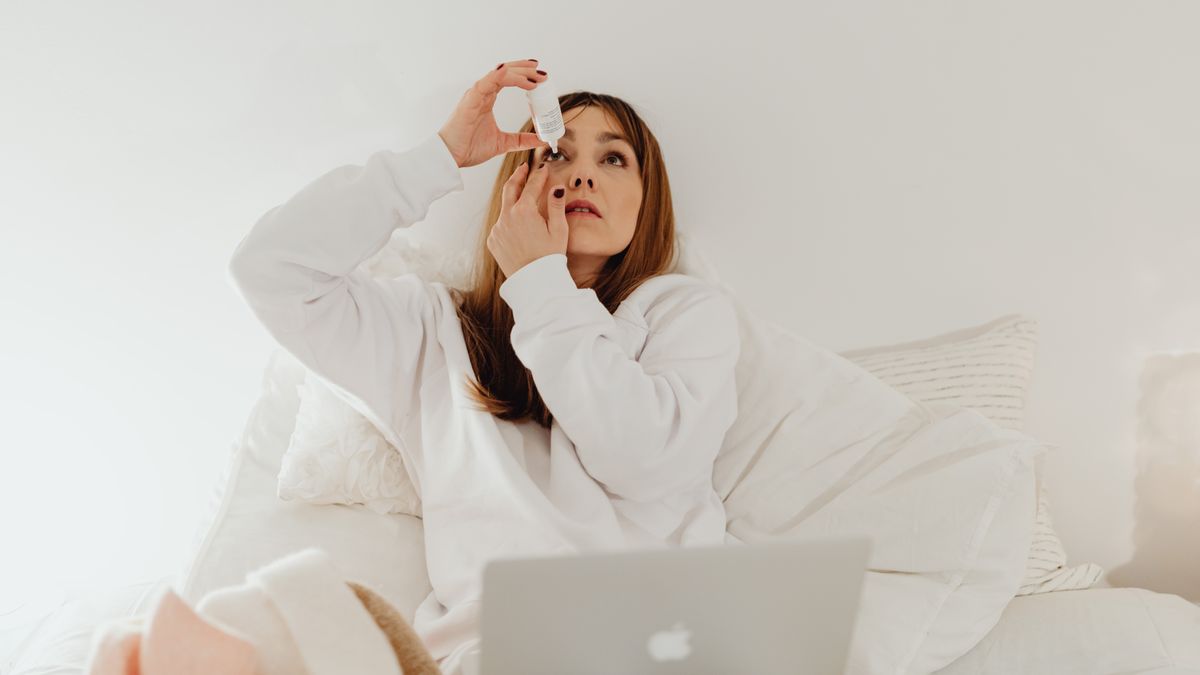
Have you worked your way through one drop after another and your eyes are still dry? Artificial tears do relieve dry eye, but the relief often doesn’t last. When a drop that used to help no longer does, it usually isn’t that your eye has «got used to it», but a sign that it’s worth looking a little deeper. Here we explain why it happens and what you can do.
When relief is short-lived
Have you worked your way through half the pharmacy shelf and your eyes are still dry? It’s a familiar, frustrating situation, and it usually means the drops never actually treated the real problem. It’s not your fault; it’s a sign that it’s time to look directly at the cause of the dryness.
There can be several reasons the relief doesn’t last: the type of drop may not match what affects you most; there may also be a problem with the meibomian glands, blepharitis, an allergy or a drier environment; the dry eye may have changed over time; the drop may contain a preservative that irritates a sensitive eye; or the pain may also have a nerve-related or other cause.
There are more watery drops, gel drops and ones with some oil, and none is the best for everyone.
The preservative trap
There’s also a catch to using drops very often, and it’s worth knowing:
- Many standard drops contain preservatives that can irritate the surface with heavy use.
- When drops are used often and continuously (usually more than four times a day), it’s usually better to choose preservative-free ones, so they don’t irritate the eye with prolonged use (AAO recommendation).
- Dosing more and more frequently can quietly make a sensitive surface worse, not better.
Signs that you need a check-up
A few patterns suggest drops alone are no longer enough:
- You use them constantly, but relief lasts only minutes.
- You’ve tried several brands with much the same result.
- Symptoms still build through the day and on screens.
- Your lids are crusty, or your eyes water despite the drops.
What actually treats the cause
When relief is short-lived, besides drops it’s worth looking at why the surface dries out. Depending on the case, this can include caring for the eyelids when there’s a gland problem or blepharitis, treating inflammation and changing the environment (avoiding direct airflow, taking screen breaks). Preservative-free tears still help as support, not as the only plan.
How Smart Dry Eyes helps
We look at why the drops aren’t enough for you; often the meibomian glands or other factors are involved, and we adjust the treatment. The aim is for your tears to be more stable so you need drops less often.
Frequently Asked Questions
Are preservative-free drops better?
With frequent use, yes. Preservatives can irritate the surface. Preservative-free preparations are gentler.
Can I use too many eye drops?
If you need drops again and again, relief lasts very little, or the eye stays red or sore, it’s worth reviewing what’s causing it and how you’re using them. Don’t use “redness-relief” drops for long-standing dry eye without professional advice, and don’t share the bottle with others.
Which treatment replaces the drops?
The drops aren’t necessarily replaced but complemented. Methods that target the cause, such as IPL, Tixel or eyelid therapy, usually reduce the need for them a lot.
Drops no longer relieving you?
If artificial tears aren’t enough, an assessment helps find the underlying cause and a treatment that works.
Prefer to be seen in person? Find your nearest Smart Dry Eyes clinic in Germany, Switzerland, Andorra, Mexico or the Philippines.
Note: This article is for general information and does not replace a medical diagnosis or treatment. If symptoms persist or are severe, please consult an eye doctor.