 Medically reviewed by Dr. Ludger Hanneken
Medical Director · Smart Dry Eyes
When we think of dry eyes, we usually picture a lack of tears. But in many cases the problem is different: the glands that make the oily part of the tear —the meibomian glands— work less well than they should. This is meibomian gland dysfunction (MGD), and many people live with it for years without knowing. Here we explain what it is, how it’s assessed and how it’s treated.
MGD: a common factor in evaporative dry eye
MGD often plays a part in dry eye, especially when tears evaporate too quickly. Many people have never heard the name and, for years, mistake it for tiredness or sensitive eyes. The good news is that, once identified, it can be treated and kept in check with the right care.
What the meibomian glands do
Along the rim of each eyelid sit dozens of tiny meibomian glands. Every time you blink, they release a thin film of oil onto the surface of your tears. That oil is what stops your tears evaporating between blinks – it’s the “seal” that keeps the eye comfortable. No oil, no “seal”, and the surface dries out no matter how many tears you produce.
What goes wrong
MGD can develop gradually and does not always follow the same sequence. Several of these changes are often involved:
- The secretion can become thicker and lose its fluidity.
- The gland openings can become blocked, so less oil reaches the tear film.
- Tears can then evaporate more quickly and the surface dries out.
- Over time, some glands may undergo structural changes; that is why it is worth assessing persistent symptoms and not delaying evaluation.
Signs of MGD
It tends to announce itself in a familiar cluster of symptoms:
- Burning, grittiness and tired eyes, worse by evening.
- Crusty or slightly swollen eyelid margins.
- Watery eyes that never feel relieved.
- Blurred vision that clears when you blink.
What makes it worse
Several things can tip the glands towards MGD, for example: age and hormonal changes such as menopause, long hours on screens with reduced blinking, contact lens wear, and dry, air-conditioned or heated environments. None of these cause MGD on their own, but together they make it more likely and harder to shake.
How Smart Dry Eyes treats MGD
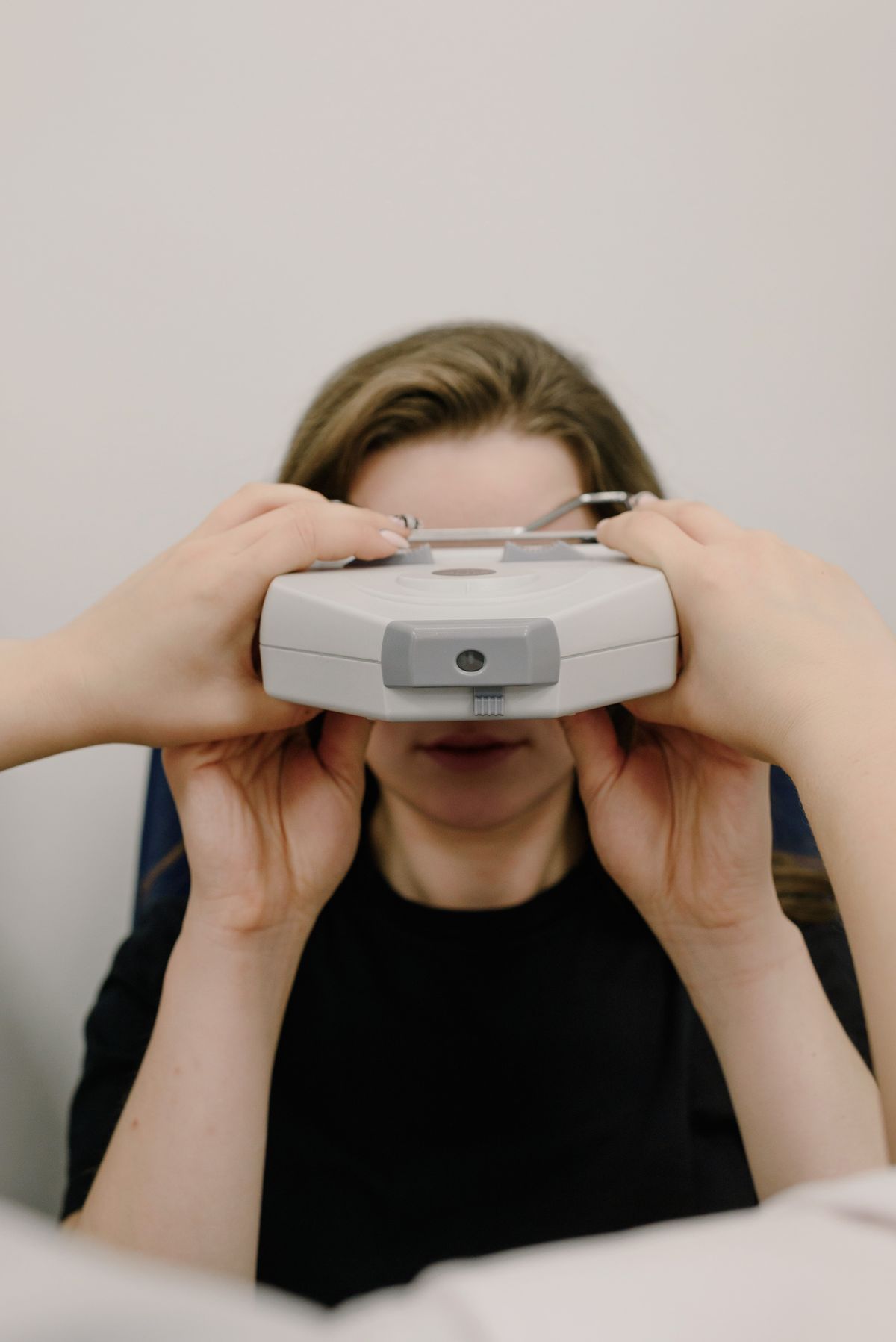
We carry out an examination of your meibomian glands (a test called meibography) to see how they are and how far they’ve changed. That image shows the shape of the glands, but on its own it doesn’t tell us how many are «working», nor is it enough for a diagnosis (international consensus on MGD). Depending on what we find, treatment may include controlled heat, eyelid cleaning, in-office expression of the glands or other procedures, together with a simple routine at home. The aim is to treat what’s causing your discomfort; how much it improves and how long that lasts vary.
Frequently Asked Questions
Is meibomian gland dysfunction curable?
MGD is usually a problem that is managed rather than cured. The most advanced damage doesn’t always recover, but in many cases the working of the remaining glands can be improved. The sooner it’s assessed, the better.
How do I know if my meibomian glands are affected?
To find out, we look at the eyelid margin and the tears and, if needed, perform meibography. No single test on its own confirms the diagnosis.
Can I do anything at home?
Warm compresses and lid hygiene can help when there is MGD or blepharitis, though it is worth confirming first that they are suitable for your case. With more marked blockage, professional procedures may be needed.
Think MGD is behind your dry eye?
An assessment of your meibomian glands can confirm it and set out the right treatment for your case.
Prefer to be seen in person? Find your nearest Smart Dry Eyes clinic in Germany, Switzerland, Andorra, Mexico or the Philippines.
Note: This article is for general information and does not replace a medical diagnosis or treatment. If symptoms persist or are severe, please consult an eye doctor.