
Treatment
IPL Treatment for Dry Eyes
Light-based therapy for inflammatory meibomian gland dysfunction and ocular rosacea
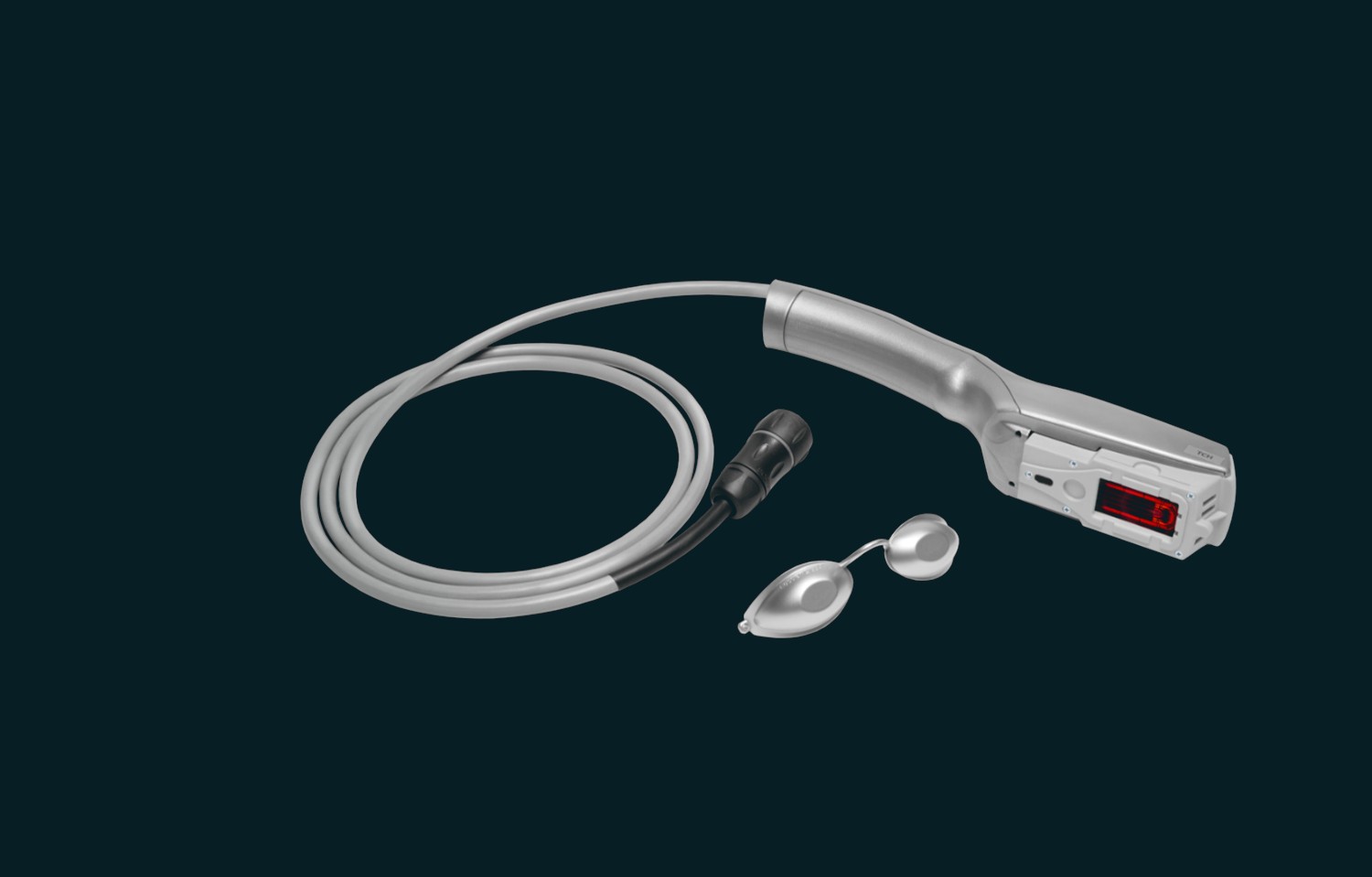
Intense pulsed light is delivered to the skin below and to the side of the eyes. The treatment is directed in particular against inflammatory vascular changes in ocular rosacea and can have a favourable influence on the environment of the meibomian glands. The eyes are shielded from light throughout the entire procedure.
Image: Espansione Group (edited)
- Treatment time
- About 5 to 10 minutes
- Treatment course
- Usually 3 to 4 sessions
- Sensation
- Brief warm light pulses
- Downtime
- Usually none; slight redness possible
What IPL treats in dry eye disease
IPL is considered above all for meibomian gland dysfunction with an inflammatory character. Typical findings are dilated fine vessels at the lid margin, ocular rosacea, or facial rosacea in combination with dry eye symptoms.
The treatment is not aimed solely at a mechanical blockage of the glands. Its purpose is in particular to reduce inflammatory processes and abnormally dilated vessels in the tissue around the eyelids. Where loss of the meibomian glands is already far advanced, the scope for improving gland function is limited.
How IPL acts on the lid margin
- 01Broadband light pulses on the cheek, nasal area and temple
- 02Haemoglobin absorbs the light and converts it into heat
- 03Dilated vessels are influenced thermally in a targeted manner
- 04The inflammatory burden on lid margin and meibomian glands is intended to fall
- 05In addition, the secretion of the meibomian glands can warm
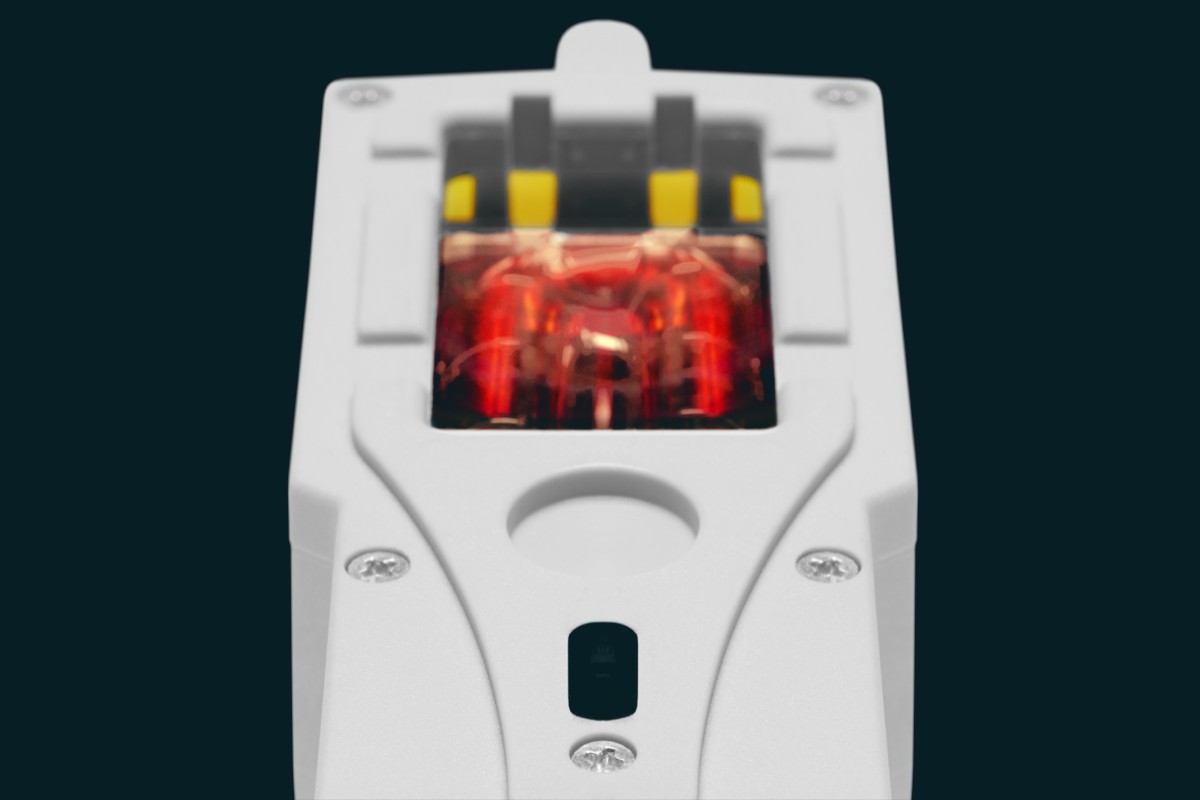
IPL generates broadband light pulses that are delivered to the skin of the cheek, the nasal area and the temple. It is not a laser. The light is absorbed by, among other things, the haemoglobin in superficial vessels and converted into heat.
In this way, dilated vessels can be influenced thermally in a targeted manner. Because such vessels can be involved in chronic inflammatory processes, treating them is intended to reduce the inflammatory burden on the lid margin and the meibomian glands.
In addition, the procedure can warm the secretion of the meibomian glands. Depending on the findings, an expression is therefore carried out immediately afterwards. At Smart Dry Eyes, IPL comes to the fore in particular when telangiectasias or a clearly rosacea-associated inflammation are evident.
During all light pulses, the eyes are covered with suitable opaque protective shields. Correct eye protection is one of the essential safety requirements of the treatment.
What an IPL session involves

Before
Before the treatment, skin type, tanning status, medications and possible contraindications are checked. The energy parameters are adapted to the individual skin type and the device used. Light-tight eye shields are then put in place and a contact or cooling gel is applied, where the device system provides for this.
During
The light pulses are delivered following a defined pattern to the skin below the eyes and, where appropriate, at the temples. They are usually perceived as brief warmth or as a slight snap. The protocol itself takes only a few minutes.
After
Where indicated, a controlled expression of the meibomian glands follows immediately afterwards. Additional warming is then often unnecessary, because the IPL application has already delivered thermal energy.
After the treatment, the skin can temporarily be reddened or sensitive to warmth. Sun protection and the centre’s individual aftercare instructions should be followed.
The course
Three to four sessions at defined intervals are usual. The timing and number of treatments depend on the device, the protocol and the findings. The effect is assessed over the entire course and not after the first session alone.
Who IPL is suitable for
Possible indications
- Visibly dilated vessels at the lid margin
- Ocular or cutaneous rosacea
- Inflammatory meibomian gland dysfunction
- Recurrent gland obstruction in combination with chronic eyelid inflammation
Contraindications and limits
- IPL is pigment-dependent. Skin type, current tan and the settings approved for the specific device must therefore be taken into account.
- On very dark or freshly tanned skin, the risk of burns or pigment changes can be increased.
- Contraindications or reasons for postponement can include photosensitising medications, active infections or herpes in the treatment area, skin changes that have not been clarified, recent eye surgery and further factors named in the instructions for use.
- Pregnancy and relevant pre-existing neurological or dermatological conditions require a separate medical assessment.
Costs
Europe
IPL or IRPL treatmentfull course, 3 – 4 sessions
from €800
Follow-up visit
from €150
The final price depends on the centre, the protocol used and any combination therapies. In Germany, this is generally a private medical service. Any reimbursement is determined by the individual insurance tariff.
Frequently asked questions
Is the light directed straight at the eye?
No. It is the skin around the eye that is treated. The eyes remain covered by suitable light-tight protective shields during all pulses.
What distinguishes IPL from IRPL?
IRPL denotes a manufacturer-specific form of regulated pulsed light delivery. The exact pulse structure and the treatment protocol depend on the respective device system.
Why does skin type matter?
Both haemoglobin and melanin absorb light. With increasing pigmentation, more energy can be absorbed in the skin. Patient selection and energy settings must therefore be handled with particular care.
Can IPL be combined?
Yes. In obstructive MGD, a subsequent expression can be appropriate. Further combinations, for example with eyelid cleansing or low-level light therapy, depend on the individual inflammatory and gland findings.
Is IPL painful?
Most patients feel brief heat pulses or a slight snap. Pronounced pain should be reported immediately so that the treatment can be interrupted and the settings checked.
Is the effect permanent?
The effect can last for months but varies from person to person. Because rosacea and meibomian gland dysfunction frequently run a chronic course, follow-up checks and refresher treatments can be appropriate.
When is a medical check-up required?
Severe eye pain, a sudden deterioration in vision, pronounced sensitivity to light, blistering or a markedly red eye are not typical after-effects and should be assessed without delay.
Which treatment do your eyes need?
Not all dry eye is the same. Biofilm, inflamed lid margins, thickened meibum, ocular rosacea and reduced tear production call for different therapeutic approaches. Smart Dry Eyes records the relevant findings systematically. The medical assessment decides which treatment or combination is appropriate for you.
Other dry eye treatments
Medically reviewed by Dr. Ludger Hanneken, MD, PhD · Medical Director, Smart Dry Eyes