 Medically reviewed by Dr. Ludger Hanneken
Medical Director · Smart Dry Eyes
If you have evaporative dry eye and drops and home care haven’t been enough, you may have heard about IPL (intense pulsed light). It’s a light-based treatment used when the problem lies in the meibomian glands. Here we explain, in plain terms, what happens in a session, what you can realistically expect and who it may help.
What IPL is and how it can help dry eye
IPL stands for intense pulsed light: a light-based treatment used for evaporative dry eye caused by meibomian gland dysfunction. It started in dermatology, for skin conditions such as rosacea, and in using it, it was noticed that some people’s dry eye improved too.
IPL treatment may work in several ways:
- It might help calm inflammation of the surface of the eye.
- It would act on small abnormal blood vessels in the skin linked to that inflammation.
- Heat on the eyelids might help the glands release their oil more easily.
- It might reduce tiny mites (Demodex) that sometimes inflame the eyelid edge.
The available studies suggest that IPL can improve symptoms and the tear film in people with meibomian gland dysfunction, although the studies have limitations and the benefit depends on the device, how it’s applied and the treatments it’s combined with (systematic review and meta-analysis; Cochrane review).
What a session is like
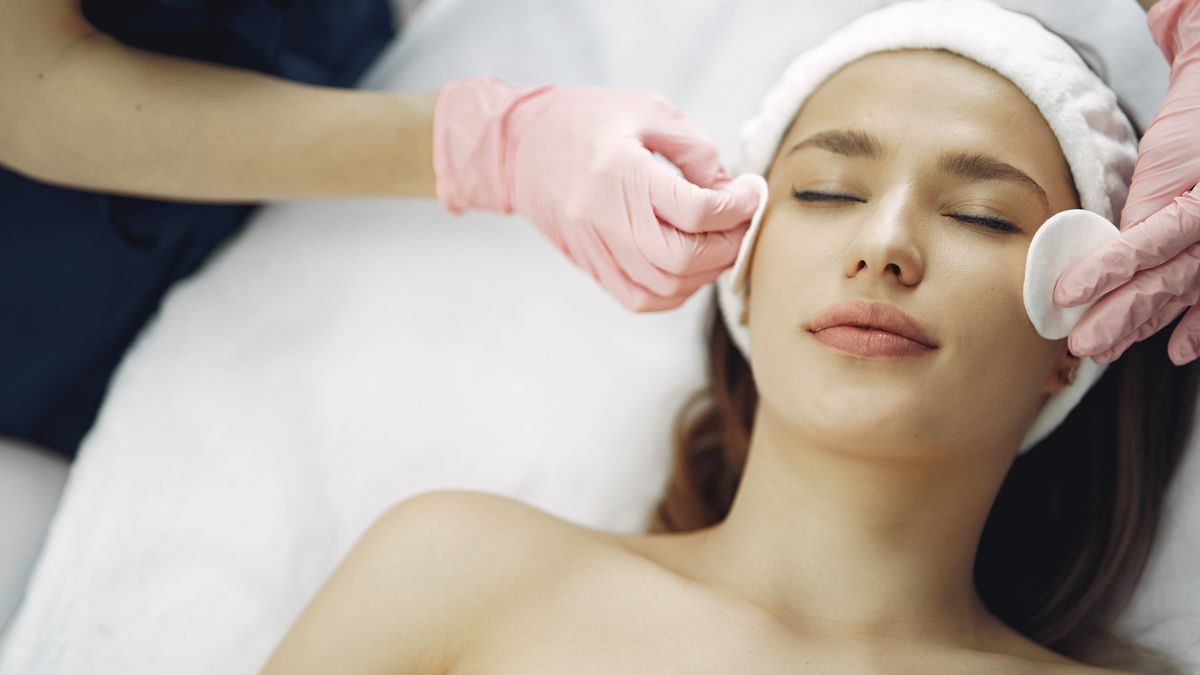
A session lasts about fifteen minutes: your eyes are protected with a special cover and pulses of light are applied across the cheeks and around the eyes. You may feel warmth, snapping or some discomfort; most people tolerate it well, though the sensation varies. Effects such as redness, temporary swelling or changes in skin colour can appear and, if the technique or protection aren’t right, burns or eye damage; that’s why it must always be done by trained staff with proper protection. It’s usually done in several sessions a few weeks apart.
Who it may suit
IPL is mainly considered for certain profiles of dry eye:
- Evaporative dry eye associated with MGD.
- Dry eye linked to rosacea.
- People for whom drops and home care are not proving sufficient.
It isn’t a suitable treatment for everyone. Before recommending it, your skin type, whether you’re tanned or have had sun recently, medicines that increase sensitivity to light, skin conditions, your eye history, pregnancy where relevant and each device’s own guidance all need to be reviewed.
What to expect after
Improvement with IPL, when it happens, is gradual and is usually judged over the course of the series of sessions, not at the first visit. The response varies: some people notice a clear benefit, others a partial improvement and others don’t respond. Nor is it precisely known how long the benefit lasts, so some people need maintenance sessions. Before deciding to go ahead with the treatment, it’s worth discussing it with the ophthalmologist and also finding out the alternatives and the total cost. Seek prompt care if, after a session, you develop severe eye pain, loss of vision, marked light sensitivity or a very red eye.
IPL at Smart Dry Eyes
Before considering IPL, we look at your symptoms, your eyelids and your tears to see whether you’re a good candidate. When it’s appropriate, we combine it with eyelid care and a simple routine at home. The aim is to treat what seems to be causing your discomfort; the response and how long it lasts vary from person to person.
Frequently Asked Questions
Is IPL painful?
Many patients tolerate it well and describe warmth or a brief snapping sensation, but it can cause discomfort and may even be painful for some people. Tell the professional about any discomfort during the session.
How many sessions do I need?
The number of sessions and the interval between them are not universal: they depend on the device, the protocol, the diagnosis and your progress, and are set individually.
Does the effect last permanently?
It can’t be guaranteed. The meibomian gland problem is long-term and how long the benefit lasts varies from person to person. Some people need maintenance sessions and to keep caring for the eyelids to preserve the improvement.
Considering IPL for your dry eye?
An assessment shows whether IPL is right for your case or whether another option suits you better.
Prefer to be seen in person? Find your nearest Smart Dry Eyes clinic in Germany, Switzerland, Andorra or Mexico.
Note: This article is for general information and does not replace a medical diagnosis or treatment. If symptoms persist or are severe, please consult an eye doctor.